
(SPONSORED CONTENT)
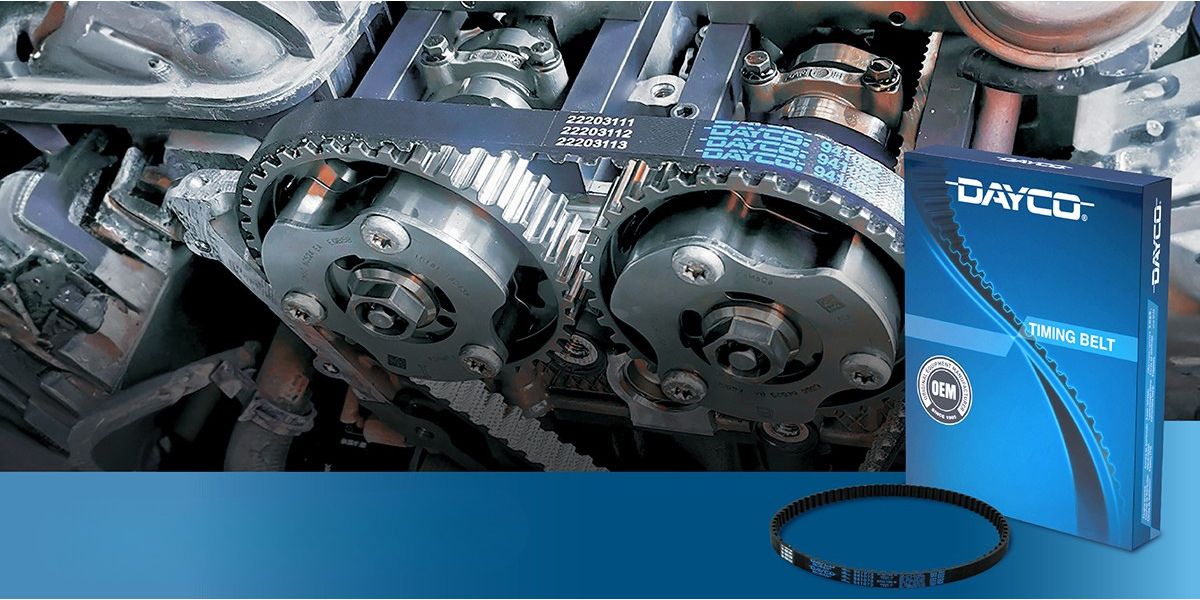
Dayco is bringing a new wave of OE-driven technology to the North American aftermarket with the launch of the industry’s first timing belt in oil (TBIO) applications, establishing a powerful education and sales opportunity for distributors and jobbers that allows them to get ahead of approaching repair demand.
Unlike traditional dry timing belts, timing belts in oil operate in the engine and are continuously bathed in motor oil. As the original OE supplier, Dayco engineered its belts to combine the benefits of both belt and chain systems. This gave automakers design flexibility and allowed for improvements in fuel efficiency, noise, vibration and harshness, and weight savings.
Dayco’s Foray Focused on Ford/Lincoln
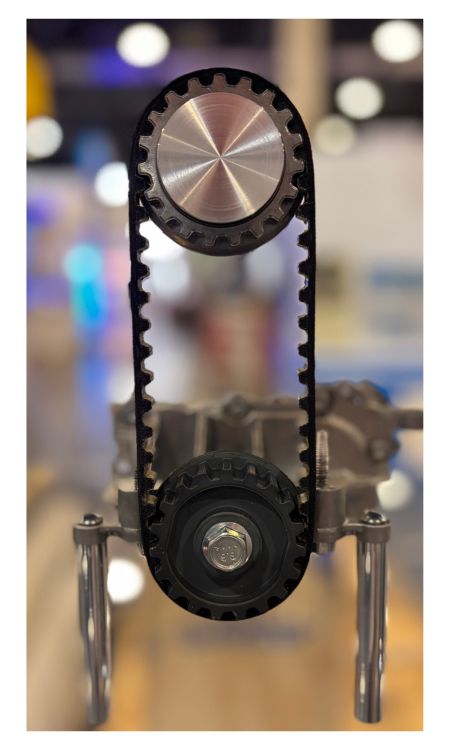
Dayco’s first TBIO part numbers are specific to a range of Ford and Lincoln vehicles with turbocharged, timing chain driven engines that feature an oil pump drive belt. A good recommendation for shops would be to check and change the timing chain, along with its surrounding components, and the timing belt in oil at the same time.
Featuring pure aramid tooth fabric and an advanced HNBR rubber compound, the Dayco timing belt in oil delivers extreme durability with exceptional strength, stiffness, and oil degradation resistance. Its design ensures precision performance through minimal elongation and tight, OE-spec tolerances that prevent slippage for accurate engine timing and improved fuel efficiency.
VIEW PRODUCT AND APPLICATION DATA
Breaking Down TBIO Service Intervals
All timing belt in oil systems will require replacement since ongoing exposure to heat, oil quality and contaminants will eventually lead to degradation. Intervals vary by manufacturer but range between 150,000 and 240,000 kms.
As vehicles equipped with TBIO reach the required service intervals, the demand for replacement will accelerate and pave the way for channel partners to capture new revenue and support shop customers. However, it will be crucial that garages, and motorists, are educated on the warning signs of wear, and understand the importance of preventative maintenance.
- Warning Signs of Wear: As the belt wears, it can shed tiny pieces into the oil, restricting oil pickup screens and lowering pressure.
- Consequences of Belt Failure: Dayco’s new belt applications drive the oil pump –so failure of this type of belt would mean the engine is oil deprived and significant damage could follow shortly after.
As the vehicle parc continues to grow and more part numbers are introduced, distributors and jobbers can set themselves up for success by getting ahead of demand, promoting preventing maintenance and serving as a trusted technical resource for their service centre customers.
For more information, visit Dayco.com.
0 Comments