
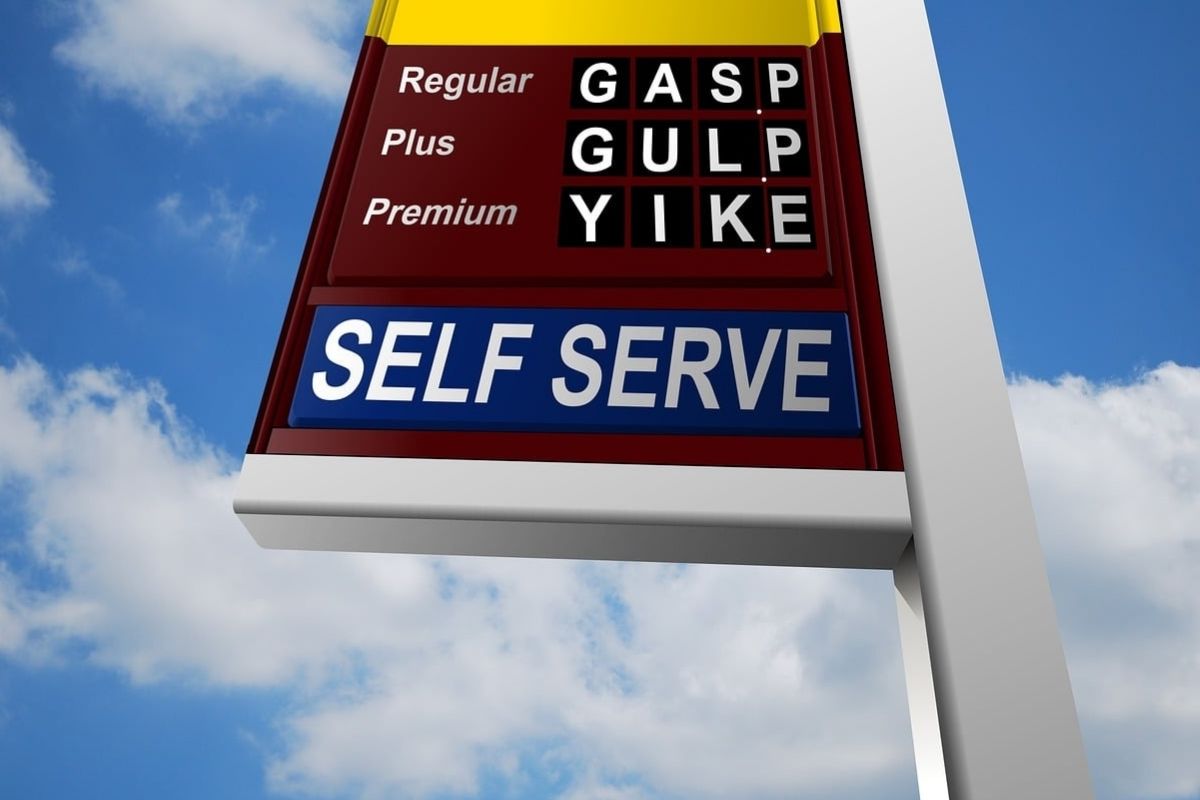
Rising fuel prices are influencing how Canadians plan their driving this summer, but the changes are unfolding against a much broader backdrop of household budget pressure, not just pain at the pump.
A new survey from the Tire and Rubber Association of Canada found that 66 per cent of Canadian drivers say high gas prices will prompt them to cancel or limit road trips this summer. At the same time, 81 per cent still expect to take at least one day trip or overnight trip in 2026, suggesting most Canadians are adjusting rather than abandoning travel.
The findings come as fuel prices have risen roughly 30 per cent nationally since late February, driven by geopolitical tensions, with national averages exceeding $1.80 per litre and higher in some regions.
But fuel costs are only one part of a larger affordability picture. Higher grocery bills, housing costs, insurance premiums, and credit expenses are all competing for household income. In that context, transportation spending becomes one of several adjustable pressure points in monthly budgets—often managed through small behavioural changes rather than major lifestyle shifts.
Cross-border travel is one of the clearest areas of adjustment. More than two-thirds of respondents say they are not planning a U.S. road trip this year, while just 10 per cent expect to travel south of the border in 2026. For many households, discretionary travel is the first category to be reduced when overall cost pressures increase.
Research suggests these reactions tend to be more behavioural than structural. A 2016 Ontario Ministry of Transportation study by economist Sina Motamedi found that a 10 per cent increase in gas prices leads to only about a 1.2 per cent reduction in kilometres driven—meaning even significant price spikes translate into relatively modest reductions in overall driving.
Instead, Canadians tend to adjust how they drive: combining errands, reducing discretionary trips, avoiding aggressive driving, and temporarily limiting use of secondary vehicles. These changes are often strongest in the short term, particularly when multiple financial pressures coincide.
That pattern becomes more understandable when viewed through a household lens. When budgets tighten across multiple categories at once—fuel, food, shelter, and debt servicing—drivers tend to look for immediate, flexible savings rather than eliminating essential travel.
Longer-term studies also show that these adjustments often fade over time, as commuting and daily mobility needs reassert themselves. However, sustained cost pressure can still influence vehicle choice, encouraging more fuel-efficient purchases or delaying replacement decisions.
There are also broader behavioural effects tied to economic stress. Some research has linked periods of financial uncertainty to changes in driving behaviour and short-term increases in collision risk, suggesting that stress and distraction can influence road safety alongside fuel costs.
For the automotive aftermarket, the broader takeaway is that higher fuel prices do not simply reduce driving. They reshape it within the constraints of household budgets already under pressure.
The result is more selective travel, shifting ownership decisions, and continued demand to keep existing vehicles on the road longer.
0 Comments