
Recent insights into U.S. aftermarket DIY trends may provide a window into potential shifts in Canada and clues for aftermarket businesses to watch closely.
DIY aftermarket trends have long been an area of significant divergence between the U.S. and Canadian automotive aftermarkets. Weather is a key differentiator — it’s hard to work on your own car during long Canadian winters — but it is far from the only reason traditional U.S. do-it-yourself rates track at roughly double those seen in Canada.
Other factors play a role.
For instance, roughly 52% of Canadians live within the metropolitan areas of its 10 biggest cities, whereas only about 26% of Americans do. Canadian cities and suburbs tend to be physically denser than their American counterparts as well, making shadetree mechanical work more difficult (and often illegal).
Which points to the difference in car culture. While Canada’s cities and towns definitely have car culture and clubs, U.S. commitment to car culture is without peer.
As an aside, a local car club in Jobber Nation’s hometown of Sudbury, Ont., was recently up in arms after one participant at a gathering decided to do a burnout while leaving the event. The individual has since been banned from future events.
Pre-pandemic figures put Canadian retail automotive sales at about 14% of total aftermarket sales (and declining), versus more than 24% in the U.S.
Retail automotive parts and accessory sales in Canada average a steady $1.3 billion per month according to Statistics Canada, of which — in a uniquely Canadian twist — roughly 22% flows through Canadian Tire.
Against that backdrop, recent data from the U.S. market may offer insights into possible shifts in Canadian consumer behaviour and highlight signals worth monitoring.
Industry researcher Circana says U.S. consumers are trending toward more DIY activity, “driving measurable growth across the automotive aftermarket as do-it-yourself (DIY) maintenance becomes more mainstream.”
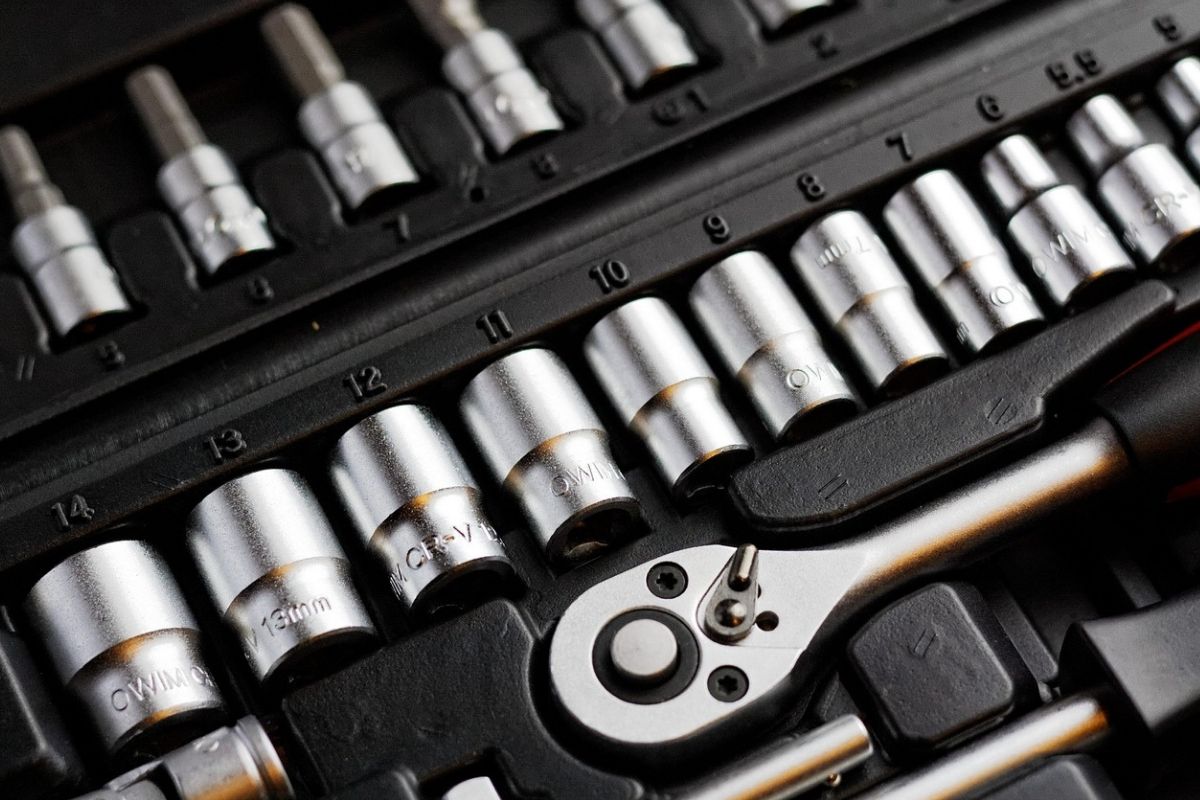
According to newly released tracking data from Circana, U.S. retail sales revenue in the automotive hand tools category grew 3.2% in the 12 months ending March 2026. The increase follows a relatively flat prior year across categories such as sockets, wrenches, pliers and other specialty hand tools sold through automotive retailers.
“The DIY trend suggested by the recent growth in automotive hand tools is further underscored by sales in other core maintenance categories Circana has been monitoring,” the researcher noted.
Unit sales of motor oil and filters have increased by 3% or more for three consecutive years across retail channels, signalling sustained consumer commitment to performing routine vehicle maintenance independently.
“Consumers are embracing do-it-yourself auto maintenance in an effort to save money amid challenging economic times, rising gas prices and growing demands being placed on their vehicles,” said Nathan Shipley, automotive industry analyst for Circana.
“We’re seeing shoppers become more resourceful and hands-on as they look for ways to extend the life of their vehicles and manage expenses.”
Circana points to several broader market dynamics influencing consumer decision-making:
• Cost-conscious behaviour: Rising costs across fuel, repairs and household expenses are pushing consumers toward self-service maintenance.
• Vehicle longevity: Consumers are keeping vehicles longer, increasing demand for ongoing maintenance and upkeep.
• Access to knowledge and tools: Online tutorials, digital guides and more intuitive products are making DIY maintenance more accessible.
• Retail adaptation: Automotive retailers are expanding product assortments and educational resources to support growing DIY demand.
Recent growth in automotive hand tool sales represents an important engagement indicator, as these purchases often precede or accompany more advanced repair activity. Meanwhile, continued growth in consumables such as motor oil and filters suggests routine maintenance is becoming habitual for a broader consumer base.
While comparable granular data is not as easily accessible in Canada, trends in hand tool sales and routine maintenance products — combined with an aging vehicle fleet and growing pressure on household budgets — may provide useful indicators for Canadian aftermarket businesses evaluating future product mix, merchandising and marketing strategies.
0 Comments