
(SPONSORED CONTENT)
As winter fades and the roads begin to clear, spring presents the perfect opportunity for vehicle owners and technicians to take a closer look at what endured the harshest driving conditions of the year—the undercar. Snow, ice, road salt, and potholes place tremendous stress on critical suspension, driveline, and wheel-end components. While many drivers focus on cosmetic cleaning after winter, the most important inspection happens where performance, safety, and reliability truly begin: underneath the vehicle.
Winter driving conditions accelerate wear across multiple undercar systems. Salt and moisture can promote corrosion. Temperature swings can affect rubber components and seals. Rough road conditions can create excessive stress on suspension components, wheel hubs, and driveline assemblies. These factors often create small issues that go unnoticed until they develop into vibration, noise, poor handling, or uneven tire wear.
That’s why spring inspection should always begin with a complete undercar evaluation.
Too often, technicians are asked to diagnose a single symptom—such as a vibration, a noise, or uneven tire wear—and replace the most obvious component. But many vehicle performance issues originate from a combination of worn or compromised parts working together within the same corner of the vehicle. Addressing one component without evaluating the entire system can lead to repeat repairs, reduced part life, and continued drivability concerns.
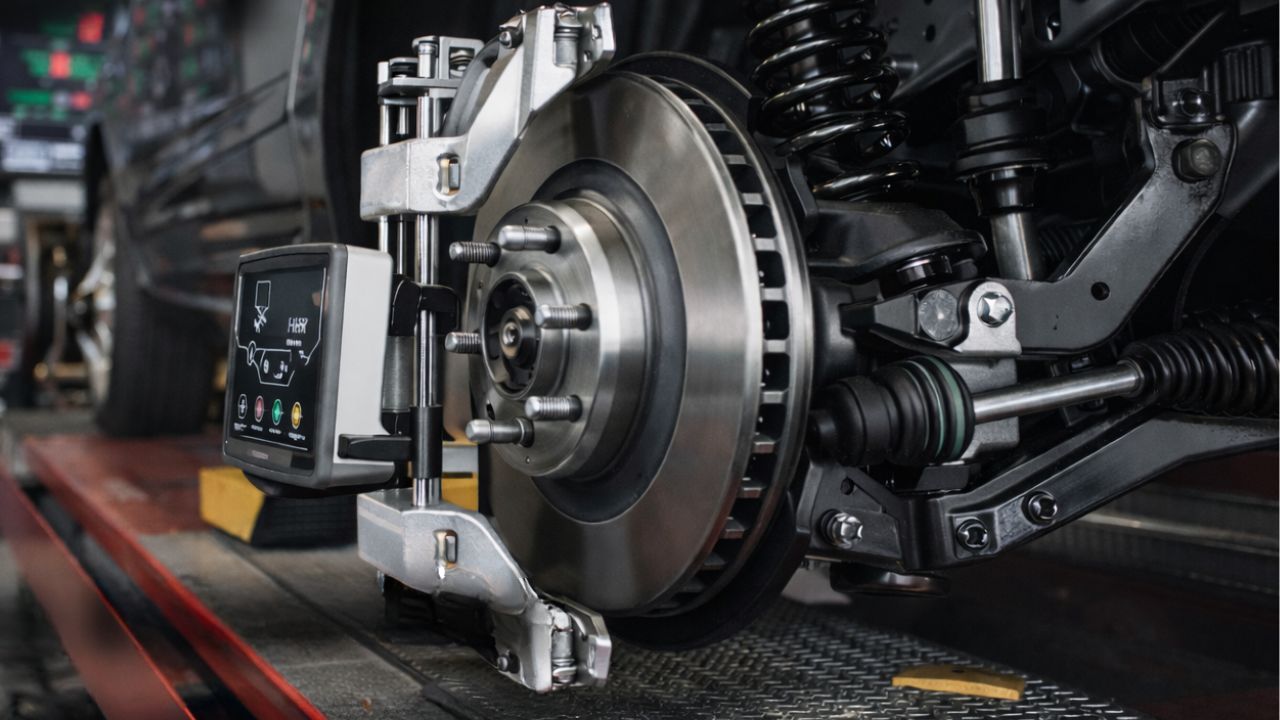
A thorough undercar inspection ensures the entire system is working as designed.
Key areas of focus should include wheel hub assemblies, CV axles, steering and suspension components, ride control systems, and mounting points throughout the vehicle. Technicians should check for looseness, damaged boots, leaking seals, worn bushings, excessive play, and any signs of abnormal wear. Catching these issues early can prevent more significant repairs down the road and help maintain proper vehicle alignment, handling, and braking performance.
Ride control components in particular often take the greatest impact during winter months. Struts and shocks absorb repeated stress from rough roads and potholes, and their performance can gradually decline over time. Worn ride control components can affect vehicle stability, braking distance, and tire wear—issues that many drivers may not immediately associate with suspension wear.
Wheel-end components should also be carefully evaluated. Hub assemblies play a critical role in maintaining proper wheel rotation and vehicle stability. Signs such as humming noises, vibration, or ABS warnings can indicate developing issues that require attention before they worsen.
A comprehensive spring inspection helps technicians identify these issues early, allowing for more effective repairs and improved long-term vehicle performance.
More importantly, inspecting the entire corner of the vehicle ensures that all related systems are working together properly. Suspension, steering, driveline, and wheel-end components operate as an integrated system, and the performance of each part directly impacts the others.
Spring is the season of renewal—and the same philosophy applies to vehicle maintenance. By beginning each inspection underneath the vehicle and evaluating the complete undercar system, technicians can help drivers start the season with greater confidence, improved handling, and the assurance that their vehicle is ready for the miles ahead.
Because when it comes to vehicle performance, every corner matters—and every system connects.
0 Comments