
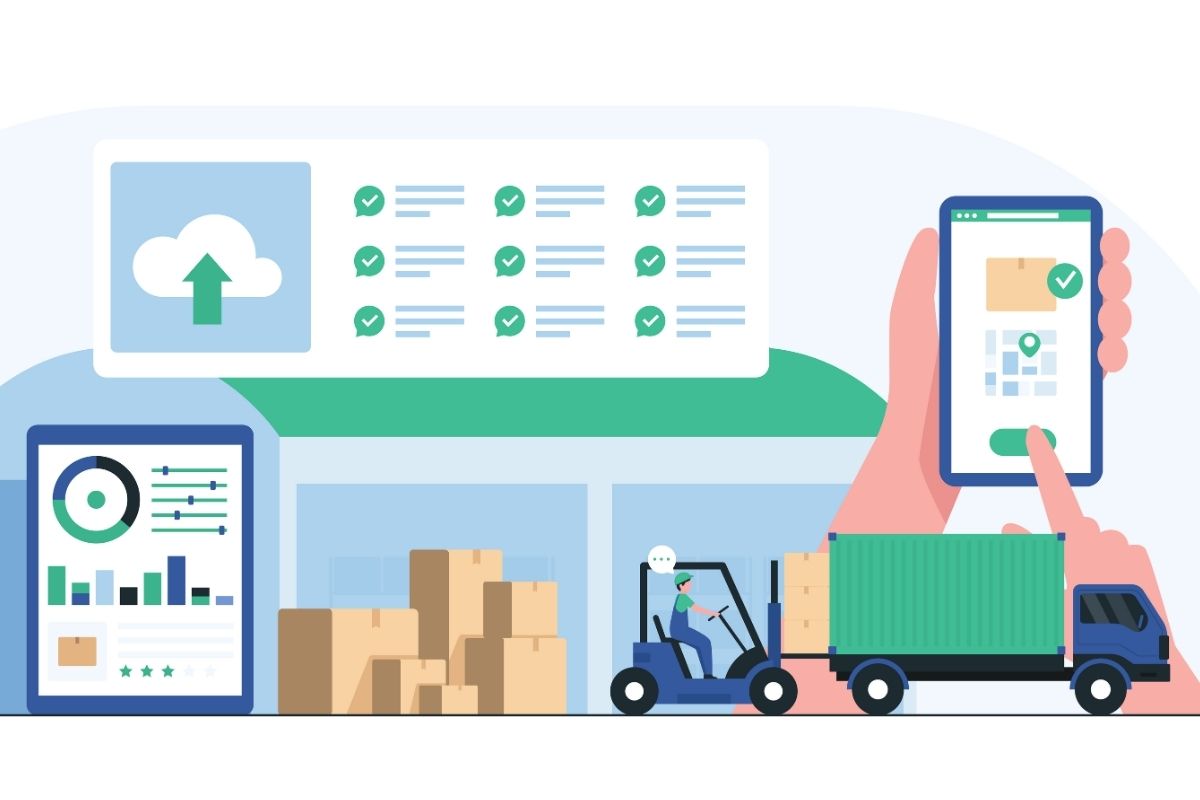
In today’s fast-paced automotive aftermarket, delivery professionals are under constant pressure to optimize logistics, reduce errors, and maintain customer satisfaction.
With tighter delivery windows, and rising customer expectations, relying on spreadsheets or outdated systems is no longer viable.
But with dozens of options on the market, how do you choose the right solution? Here are five key considerations to guide your decision-making process.
1. Integration with Existing Systems
The ideal delivery management software should seamlessly integrate with your existing ERP, warehouse management, and order processing systems. Jobbers and distributors often have a mix of legacy and modern platforms; software that can bridge these systems prevents data silos and minimizes disruption. Look for APIs, EDI compatibility, or pre-built connectors to platforms you’re using.
2. Route Optimization and Real-Time Tracking
Efficient routing is vital in a business where timely delivery is a differentiator. Choose software with dynamic route optimization that factors in traffic, delivery time windows, and vehicle capacities. Real-time GPS tracking also allows managers to monitor driver progress, respond to delays proactively, and keep customers informed. The ability to adjust routes mid-shift adds further flexibility when dealing with urgent parts runs or last-minute order changes.
3. Proof of Delivery and Returns Management
Delivery errors and returns are costly. Software with electronic Proof of Delivery (ePOD) features, such as photo capture, signature collection, or barcode scanning, can help eliminate disputes and provide instant delivery confirmation. Additionally, the ability to track and manage returns ensures better inventory control and reduces friction with shop customers.
4. Driver and Fleet Performance Monitoring
Understanding how your fleet performs over time is critical for long-term efficiency. A good delivery management system should provide dashboards and reports on key performance indicators (KPIs) like on-time rates, delivery times, idle time, fuel consumption, and driver behavior. This data supports informed decisions on driver training, vehicle maintenance, and operational improvements.
5. Scalability and Support
As your distribution business grows — whether through new branches, expanding territories, or increasing SKUs — your software must scale accordingly. Choose a cloud-based platform with modular features that allow you to add users, vehicles, or functionality without overhauling the entire system. Equally important is responsive customer support and industry-specific expertise from the software vendor. A provider familiar with the demands of auto parts logistics can offer implementation and training that match your unique needs.
Investing in delivery management software isn’t just about adopting new technology — it’s about improving service levels, increasing operational efficiency, and gaining a competitive edge in a tight-margin industry.
Evaluating, implementing, and championing the right system can have a direct impact on customer satisfaction and bottom-line performance.
The article also appeared in the September/October print issue of Jobber Nation. You can read the DIGITAL FLIPBOOK VERSION HERE.
0 Comments